
Douglas County Arrest Records and Charges
Douglas County arrest records describe the law-enforcement side of a case: who was taken into custody, when the arrest occurred, which agency or warrant was tied to the hold, and whether bond information has been posted. The sheriff-linked jail search can show active custody records, but it is not the same file as the charge record maintained by the Clerk of Superior and State Courts. Formal court charges develop after the arrest when the District Attorney, Solicitor-General, or another authorized prosecutor reviews the case and files the accusation, indictment, or other charging document.
That split matters. The Douglas County inmate roster can show current jail status, race, sex, age, arrest date, and hold reasons. Court charge records show the offense as filed, the case number, hearing path, plea, disposition, and sentencing result once the case matures. Felonies are prosecuted in Superior Court by the District Attorney, while misdemeanors and traffic offenses are handled in State Court by the Solicitor-General. The full case file and final outcome are covered in Douglas County criminal court records.
The sheriff's Jail Division page is one official custody source for Douglas County arrest records.
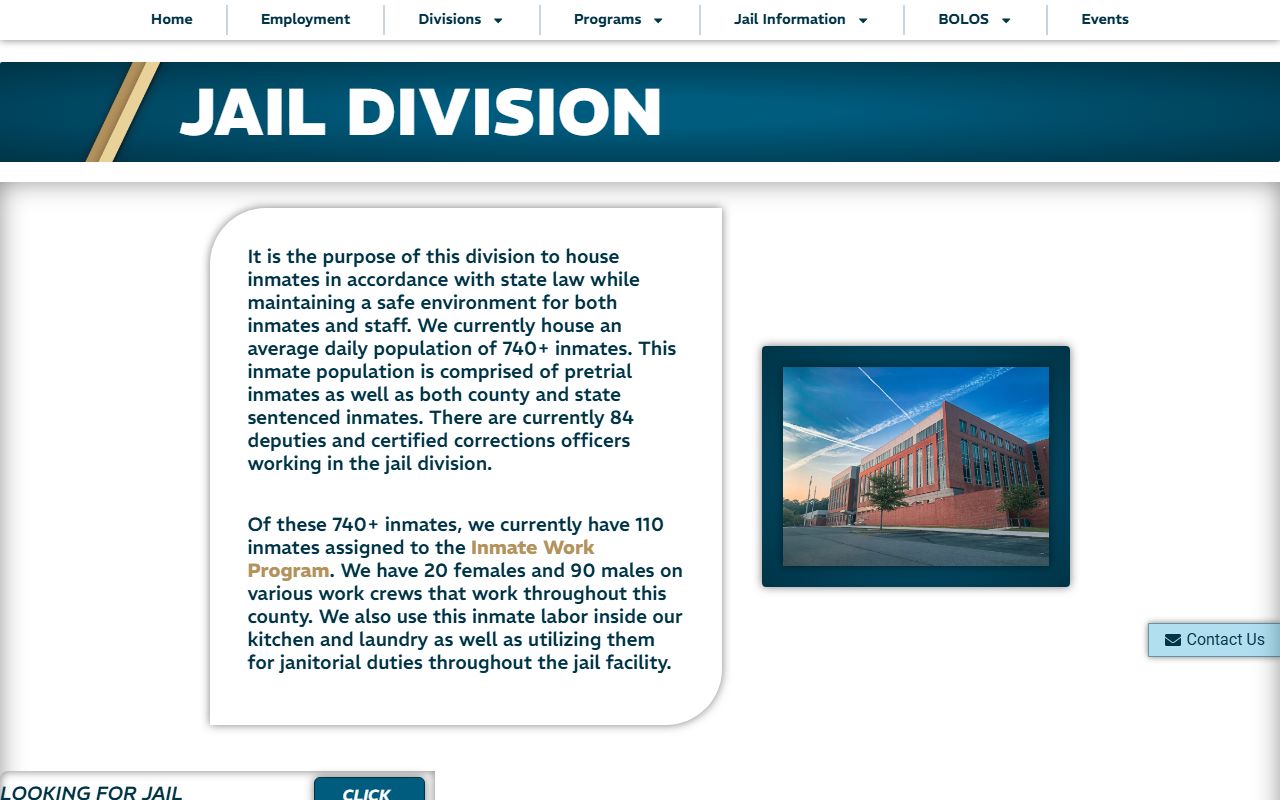
That source is useful for booking context before a court charge record is complete.
Find Douglas County Charges After Arrest
Start with the office that holds the stage of the record you need. For active custody, use the sheriff-linked Zuercher inmate search. For court charges after arrest, use the Douglas County Superior and State Court public search or contact the clerk for files not visible online. The clerk-linked portal is the better path once a charge has been filed as a court case. A charge may also appear first in a Magistrate Court bond or preliminary-hearing setting before the full Superior Court or State Court file has all later entries.
- Open the Douglas County Superior and State Court public case search for filed court cases.
- Search by defendant name or exact case number if it appears on court paperwork.
- Check the case caption, court, judge, hearing type, charge text, and any disposition field.
- Compare the court case to the jail roster if the person may still be in custody.
- Call the Clerk of State Court or Clerk of Superior Court when online entries do not answer the charge-status question.
The public Zuercher portal is also relevant because Douglas County sample inmate records show charge lines and warrant-charge lines under hold reasons. Those lines can include statute or code, offense description, arrest date, warrant number, bond type, bond amount, and "Set By Judge" notes. Treat that as custody data, not proof of final conviction.
The county's Zuercher public portal supports the inmate and custody search path.
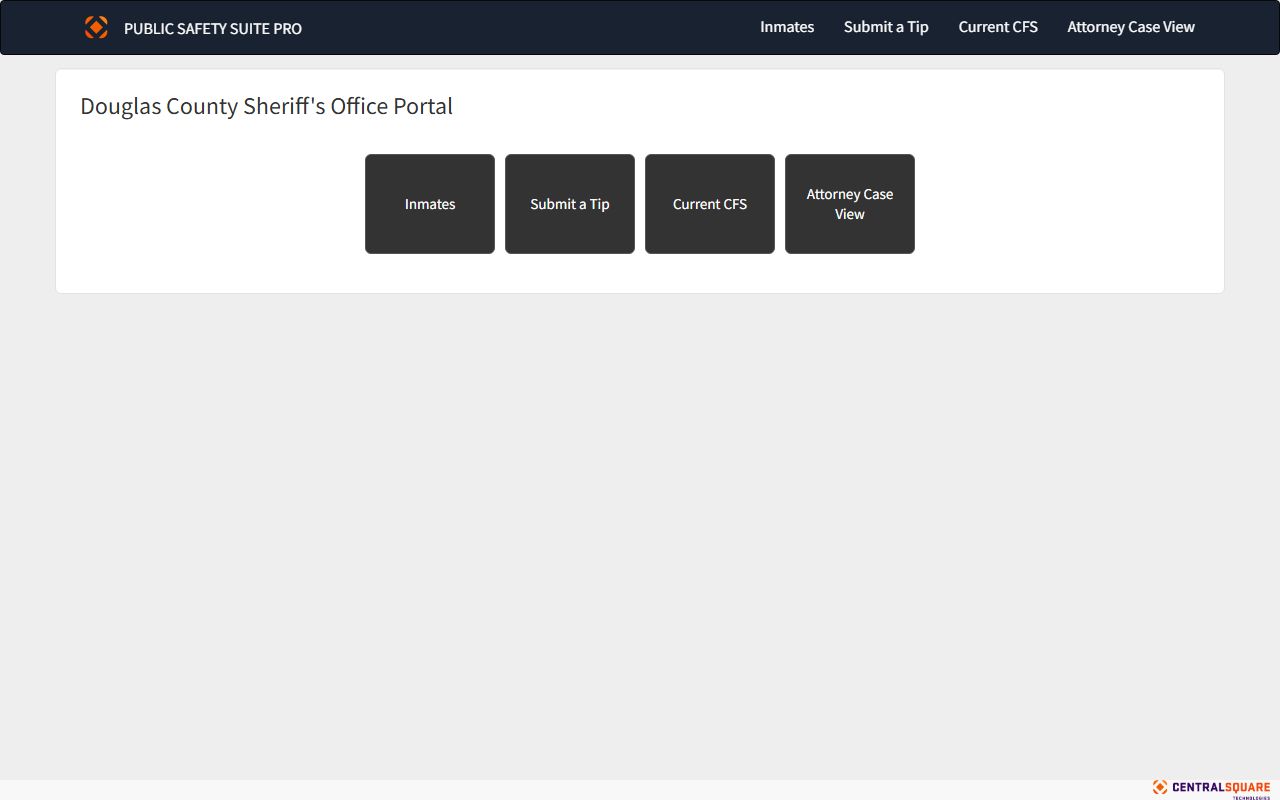
Its charge lines help bridge the gap between jail status and later court filings.
For a Douglas County arrest records check, the order of review should follow the record's age. A same-day arrest may have only a roster entry or a bond-hearing note. A later misdemeanor may have a State Court case number and Solicitor-General filing. A felony may move from arrest and bond into District Attorney review before the Superior Court file shows indictment, accusation, arraignment, and later disposition. If the online case search does not yet show a record, that lag does not prove that no charge will be filed.
Douglas County Charging Documents
A Douglas County charge record begins with an official charging act, not merely the arrest. The District Attorney's Office prosecutes felony offenses in Superior Court. The Solicitor-General represents the State of Georgia in misdemeanor and traffic prosecutions in State Court and states that the office investigates, charges, and prosecutes those violations. After review, the filed document controls what the court tracks as the charge, even if the jail hold reason used shorter wording at booking.
| Document | Who Uses It | Douglas County Context |
|---|---|---|
| Complaint | Officer or prosecutor | May appear early in misdemeanor, warrant, bond, or preliminary proceedings. |
| Accusation or information | Prosecutor | Common for State Court misdemeanor cases handled by the Solicitor-General. |
| Indictment | Grand jury | Used in felony Superior Court matters prosecuted by the District Attorney. |
The Douglas County District Attorney page identifies the felony prosecution office and courthouse contact point.
State offender tools are separate from county filing records and help only after a person enters the state correction system.
Douglas County Charge Status Terms
Charge status can change after the first filed entry. A charge may start as pending, then be amended, reduced, dismissed, nolle prosequi, or resolved by plea or trial. Douglas County calendars and court records can show hearing type, date filed, judge, incarceration date, attorneys, charge count, felony or misdemeanor label, and disposition. The jail roster may show bond details before the clerk's case file shows a final result.
| Status | What It Means | Where to Confirm |
|---|---|---|
| Pending | The charge has not reached final disposition. | Clerk case search or clerk records room. |
| Amended or reduced | The filed charge changed by prosecutor action, plea, or court order. | Case docket and filed orders. |
| Dismissed | The court disposed of the charge without conviction. | Disposition entry or order. |
| Nolle prosequi | The prosecutor declined to continue that charge. | Prosecutor filing and case disposition. |
Note: A bond amount or warrant hold on a custody record is not a final court disposition.
Douglas County Charges vs Convictions
A charge is an allegation filed in court. A conviction is the result of a guilty plea, guilty verdict, or other conviction entry. Douglas County arrest records, jail hold reasons, and Most Wanted posts can name alleged offenses before any conviction exists. That is why a reader should confirm the disposition in the Clerk of Superior and State Courts record before treating a charge as a final criminal-history result.
| Topic | Charge | Conviction |
|---|---|---|
| Stage | Filed after arrest or by accusation, complaint, or indictment. | Entered after plea, verdict, or qualifying judgment. |
| Meaning | Alleged offense under Georgia law or local ordinance. | Final finding that carries sentence, fine, probation, or other result. |
| Record source | Jail hold reason, warrant, court filing, or calendar. | Final court disposition and criminal-history record. |
Douglas County Charge Codes
Charge lines often use a Georgia statute number, code section, or short offense label. The Zuercher sample showed a traffic code line for pedestrian conduct and a warrant charge line for obstruction of officers. One arrest can carry more than one charge. The case may also split by court: felony matters go to Superior Court, misdemeanors to State Court, and city ordinance or police-issued traffic cases may stay in Douglasville, Villa Rica, or Austell Municipal Court.
Douglas County city charges should be checked with the municipal court named on the citation or warrant, because city dockets do not always appear in the county State Court payment path.
- Felony
- More serious offense handled in Douglas County Superior Court.
- Misdemeanor
- Lower-level criminal offense generally handled in State Court or municipal court.
- Warrant charge
- A custody hold tied to an arrest warrant or pending warrant entry.
- Disposition
- The final outcome for a charge or case.
The sheriff's Jail Information page explains bond hearings and custody services tied to arrest records.
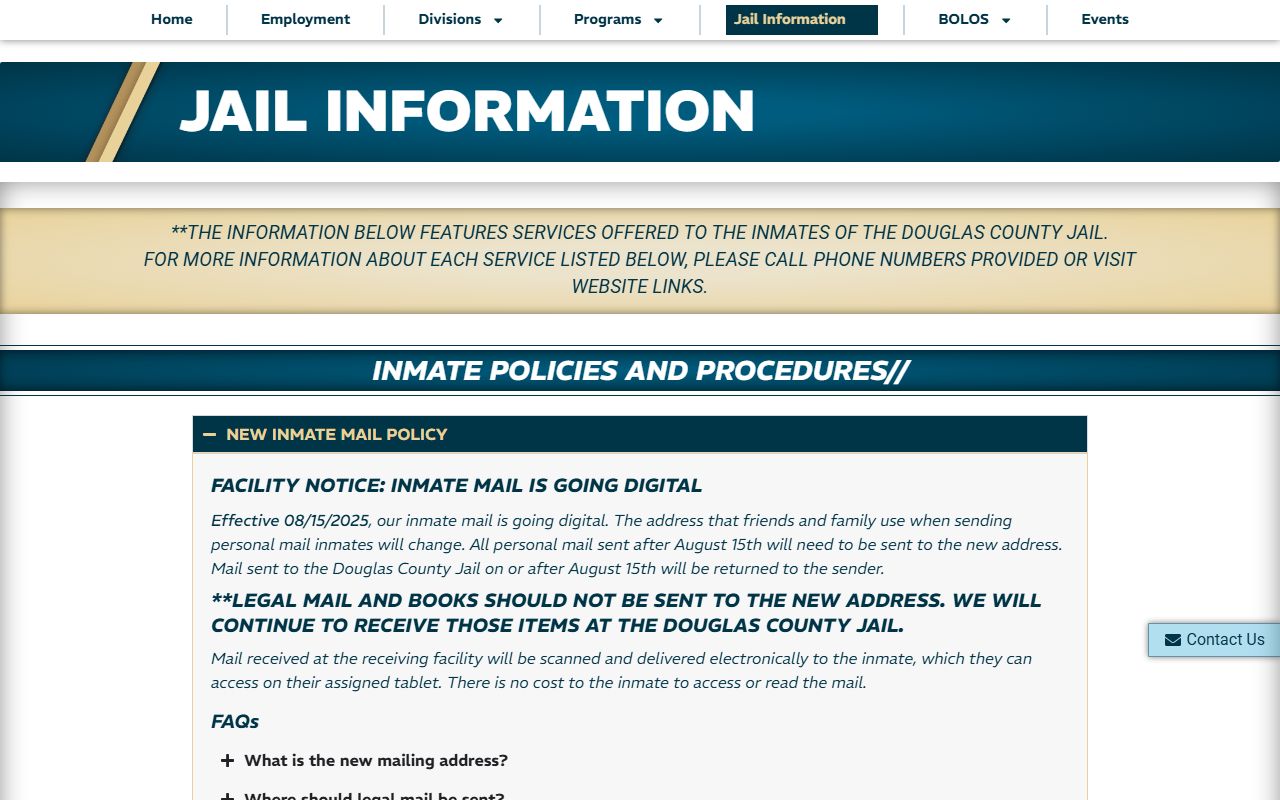
Those jail details can explain why a person appears in custody before the criminal case has a final court result.
Statewide Arrest Record Limits
Statewide tools do not replace Douglas County court charge research. The Georgia Department of Corrections offender query is for state prison, probation, parole, and sentenced-offender searching, not the local jail roster or newly filed county charges. The GDC contact page provides state inmate information channels, but county jail questions should start with Douglas County Sheriff's Office sources.
The Georgia Bureau of Investigation record-restriction process is also separate from a Douglas County clerk search. A restricted arrest history may affect public criminal-history access, but it does not always remove every court entry, agency file, or judicial record. When the issue is a non-conviction arrest, compare the clerk's disposition, the prosecutor's action, and the GBI restriction rules before relying on a statewide or county-only result.
The GDC contact page reflects that separate state-corrections channel.
Use it only when the person may have moved from county custody into a state correction record.
Restricted Douglas County Charge Records
Georgia law limits public access to some criminal-history and court data. O.C.G.A. 35-3-37 covers criminal-history record restriction, including some non-conviction categories and certain prosecutor or arresting-agency processes. Uniform Superior Court Rule 21 also recognizes that court files are generally public unless access is limited by law or by the court-rule process. Juvenile, sealed, adoption, mental-health, minor-identifying, and personal-identifier data should not be expected in public results.
| Record Type | Public Effect | Practical Step |
|---|---|---|
| Restricted criminal history | Limited from public non-criminal-justice access. | Use the GBI record restriction guidance. |
| Sealed court record | Hidden from normal public case access. | Confirm with the issuing court clerk. |
| Juvenile matter | Not treated like adult criminal records. | Route questions through Juvenile Court or counsel. |
Note: A restricted record is not always destroyed, and law-enforcement or judicial users may retain access.
The Zuercher inmate-search configuration endpoint documents the public roster fields.
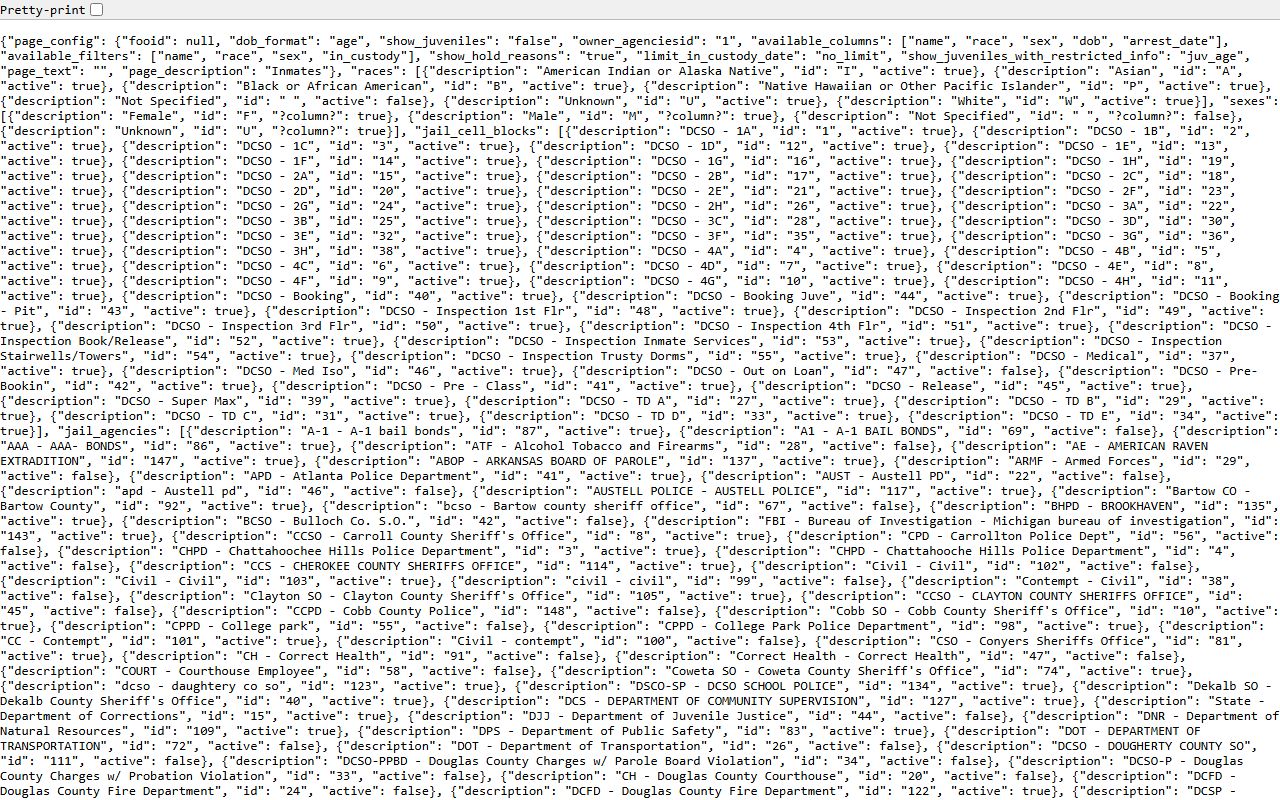
Those fields show why public arrest records may display age and hold reasons but omit restricted juvenile information.